Are Anxiovita Reviews Worth Trusting a Closer Look at User Experiences
Are Anxiovita Reviews Worth Trusting?. Watch this video review of Anxiovita, with supporting context, key considerations and practical takeaways from the accompanying article.
When you’re dealing with anxiety or persistent emotional unease, it's hard to feel calm while you shop. The decisions you make about supplements, wellness products, or “support” routines can feel personal, even urgent. That urgency is exactly why Anxiovita reviews can end up pulling a lot of weight, for better or worse.
I’ve watched people spiral over star ratings, screenshots of testimonials, and review timelines, trying to decide whether a product is worth the money and emotional risk. And I get it. If you’ve ever bought something that didn't help, you know how frustrating it is to feel fooled, especially when you’re already under pressure.
So let's take a closer, more grounded look at whether Anxiovita reviews are trustworthy, using what real user experiences often reveal, what Anxiovita feedback analysis can help you spot, and what signals tend to show up when review authenticity Anxiovita is high or low.
Why Reviews Feel So Persuasive When You're Emotionally Stretched
Anxiety changes how we read information. It narrows attention, amplifies threat, and makes relief feel like it needs to happen now. That mindset can make reviews feel like a lifeline.
In practice, people looking up Anxiovita reviews are usually asking a version of one question: “Will this help me feel calmer in a way that's noticeable and safe?”
But reviews rarely answer that cleanly. They mix together very different starting points, different expectations, different dosages, and different coping habits. Two people can try the same product and report totally different outcomes, not because one review is “fake,” but because their situation and body response were never identical.
That's why “Are Anxiovita reviews worth trusting?” isn't about whether every review is truthful. It's about whether you can use reviews as useful information rather than a guarantee.
A Reality Check on What Reviews Can and Cannot Do
What reviews are good at:
- Showing patterns in timing, side effects, and routine fit
- Highlighting whether users feel the product is consistent with marketing claims
- Offering context about who the product seems to work for
What reviews rarely provide (at least not reliably):
- Clear cause-and-effect results
- Standardized measurements of anxiety before and after
- Medical safety conclusions
When you treat reviews as clues, not verdicts, they become easier to use without spiraling.
What Patterns to Look for in Trustworthy Anxiovita Reviews
The most trustworthy Anxiovita reviews tend to include details that are hard to fake consistently across many accounts. Not perfect details, not overly polished ones, but the kind that show a person actually integrated the product into their daily life.
Here are the strongest signals I’ve seen when trying to evaluate reviews, including trustworthy Anxiovita reviews that feel grounded in real experience:
- Specific timing: “I noticed a difference after about 2 weeks,” rather than “it works fast.”
- Routine context: mention of sleep schedule, caffeine intake, stress triggers, or whether they took it consistently.
- Balanced outcomes: not only relief, but also what changed emotionally, what did not, and what they still had to do to cope.
- Side effect honesty: even when the overall review is positive, they describe anything uncomfortable.
- Dose and consistency: users who say how they took it, whether they missed days, and how long they stuck with it.
You’ll notice something important. These details don't prove the product works. They just make the story more credible and more useful for someone trying to make a decision.
The Red Flags That Often Make Anxiovita Reviews Less Reliable
Even when reviews sound confident, certain patterns can reduce trust. You don't have to dismiss all of them, but you should treat them as less actionable.
Common red flags include:
- Reviews that sound like copywriting rather than daily-life experience
- Vague claims with no timeline, no dose details, and no mention of consistency
- Overly dramatic promises tied to a single event (“cured my anxiety overnight”)
- Reviews that ignore the fact that anxiety often fluctuates day to day
When you’re emotional health planning, those gaps matter. You’re not just buying a product. You’re trying to decide whether it fits your life and whether it's likely to help or waste time.
Real Experiences with Anxiovita: What Users Often Agree on, and What They Don't
One of the most useful ways to interpret real experiences with Anxiovita is to look for convergence. People may disagree about results, but some themes show up repeatedly when a product meaningfully affects emotional wellbeing.
In many product categories tied to emotional health, users tend to cluster around a few shared concerns: whether it helps with “background anxiety,” whether it supports sleep, and whether it feels calming without knocking them out.
What tends to be inconsistent is equally revealing: - Some people interpret “calmer” as reduced physical symptoms, like restlessness or tension. - Others mean it helps the mind quiet down, fewer racing thoughts, less rumination. - A third group expects a dramatic emotional reset, and that expectation mismatch becomes a source of disappointment.
This is where Anxiovita feedback analysis can actually help you. Rather than trying to find the “one best review,” focus on how reviews describe the kind of change.
A Practical Example of Why Expectation Matters
Imagine two people start the same product on the same day.
Person A is primarily struggling with evening tension and trouble winding down. They expect a gradual shift, and they track whether evenings feel less jagged.
Person B is dealing with panic symptoms and expects immediate relief during their next stressful event. If the product does not act like a rescue tool, Person B may label it ineffective, even if it helped somewhat over time.
Both could be writing honest reviews. They’re just using different yardsticks.
If you’re reading reviews right now, pause and ask yourself which yardstick matches your reality. Are you looking for a steady reduction in emotional intensity, or are you hoping for fast, obvious relief during high-stress moments?
How to Evaluate Anxiovita Reviews Without Letting Anxiety Drive the Decision
When you’re trying to make sense of Anxiovita reviews, it's easy to get pulled into a feedback loop. You see a handful of positive reviews, feel hope, then you find a skeptical post and feel dread.
I recommend using a simple decision method that treats your emotional state with respect rather than brute forcing clarity.
Here's a tight approach you can use while staying grounded:
- Track your baseline for a few days: not a medical record, just note sleep quality, caffeine timing, and when anxiety spikes most.
- Look for consistency across reviews: you’re searching for repeatable patterns, not extremes.
- Separate “helped” from “fixed”: most emotional support products work like gradual support, not instant cures.
- Plan for a realistic trial window: decide ahead of time how long you’ll evaluate before changing course.
- Watch for personal fit issues: if a review mentions side effects that resemble your sensitivities, take it seriously.
This doesn't guarantee a good result. But it prevents you from using reviews as a stress test that you keep failing.
One Important Buying Angle: Safety and Fit
Even when users report positive results, you should still treat any supplement-like product as a personal experiment, especially with emotional health. If you have a mental health diagnosis, take prescribed medication, or have a history of adverse reactions to supplements, prioritize professional guidance. Reviews can't substitute for that.
Also, if a user describes benefits but glosses over discomfort, it might still be fine for them. For you, that “small” issue could be the difference between sticking with the product and abandoning it. That's part of why trustworthy Anxiovita reviews are the ones that include the trade-offs.
When “Trustworthy” Reviews Still Won't Predict Your Outcome
Here's the hardest truth, and also the most freeing one: even the best review set cannot predict how your body and nervous system will respond.
Emotional health is not only chemistry. It's sleep timing, stress load, what you eat, whether you move your body, how you handle uncertainty, and whether you build coping habits alongside any product.
Some users report feeling calmer, fewer anxious spirals, or more stable evenings. Others report little change or uneven results. Both can happen because anxiety is not a straight line.
So, are Anxiovita reviews worth trusting? They’re worth trusting as information, especially when you prioritize detail, timeline, and routine context. They are not worth treating as proof.
If you use reviews to guide your expectations, look for patterns instead of promises, and make space for your own baseline, you turn “Anxiovita reviews” from a stressful guessing game into a more careful buying decision that respects your emotional health.
Related video pages
 2:27Are Daily Anxiety Support Supplements Worth It an Honest Review
 2:29Anxiovita Review How It Compares to Other Homeopathic Anxiety Solutions
 2:44Are Swiss Homeopathic Remedies Worth It an Honest Review in 2026
 2:40Anxiety Drops Review Can They Really Help Manage Stress
 2:35Is Anxiovita Worth Its Price a 2026 Review for Budget Conscious Buyers
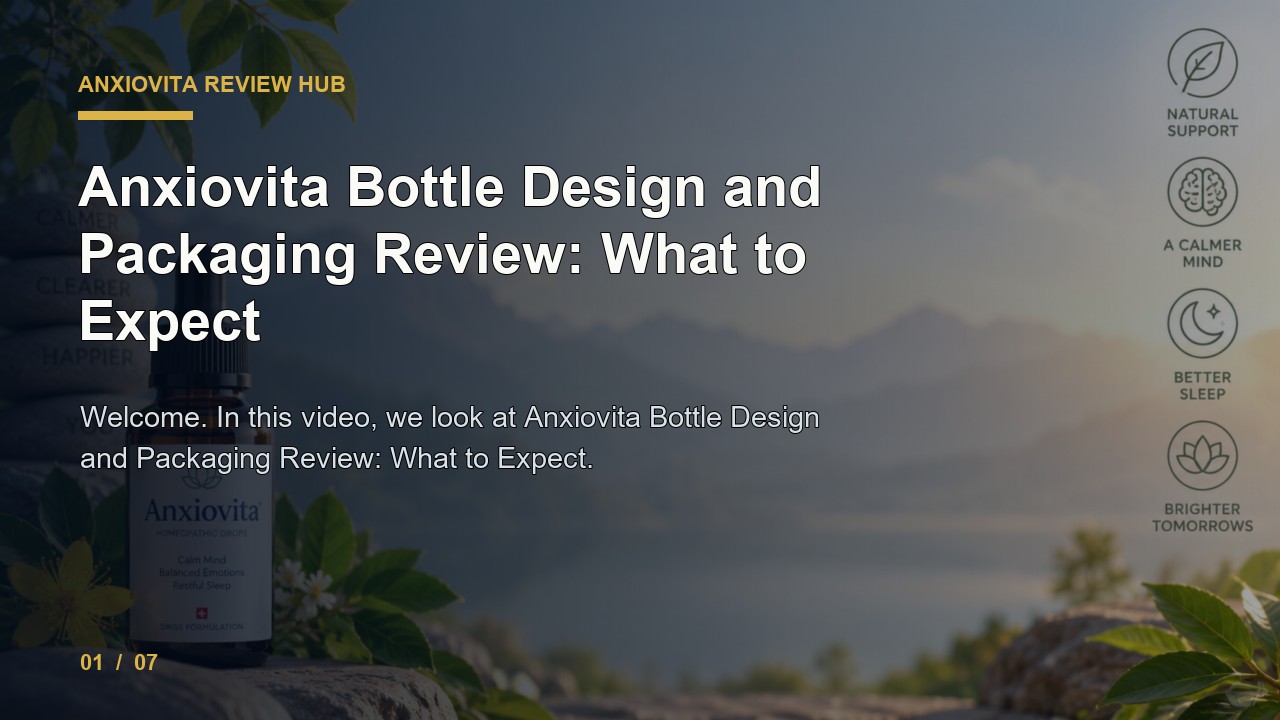 2:13Anxiovita Bottle Design and Packaging Review What to Expect